

What Korea can teach the West about beauty and longevity

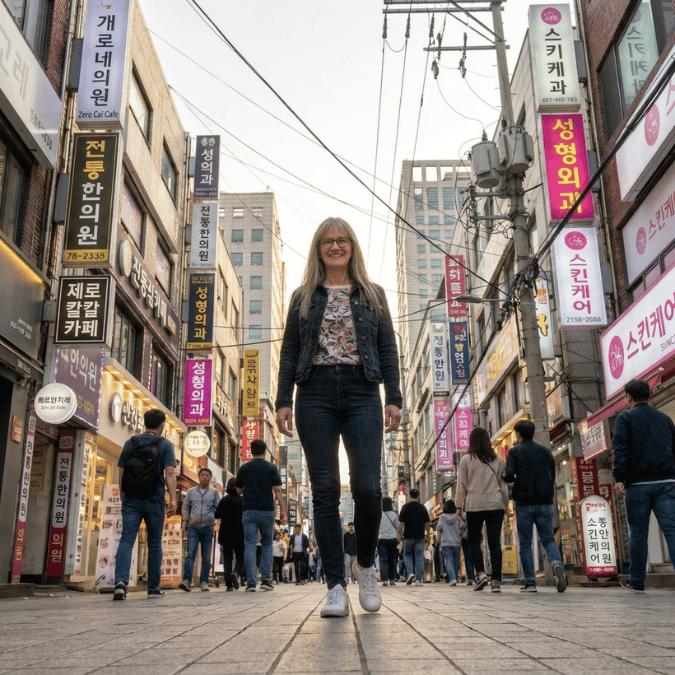
The beauty-to-longevity pipeline isn't a 2026 trend in Korea. It's six hundred years old.
I've been sitting with one question for weeks: how did Korea become the country we look to for youthful skin, and where does that sit on the bigger question of health and longevity science? Four things pushed me to dig in. One of my clients, The Skin Nerd, one of Ireland's most respected skincare brands, just started stocking Korean beauty. A YouTube rabbit hole pulled me into Seoul's zero-calorie cafés and the geometric measurements of an 'ideal' Korean face. I've started using Korean health products and booking treatments myself. And in July I'm in Seoul with INNOCOS for a K-Beauty longevity tour.
A six-century-old beauty code
The look we copy traces back to the Joseon Dynasty, 1392 to 1897, when pale, smooth, youthful skin signalled nobility. It's easy to assume K-pop invented this, but K-pop only amplified a six-century-old code. Today that code shows up as glass skin, the V-line jaw, and newer procedures most of us haven't heard of. The average age for a first cosmetic procedure in Korea is 21.8. Roughly one in five Korean women has had cosmetic surgery, against one in twenty in the US. Per-capita skincare spend is around eight times the global average. And between 2021 and 2023, South Korea ranked first, second and third on the world Healthcare Index.
Where Korea is heading next
That last point is the one Western beauty brands should sit with. Korea isn't only ahead on aesthetics. Its clinics are already moving past traditional aesthetic medicine into stem-cell therapy, exosome treatments and regenerative protocols. The West is heading the same way, with longevity science growing fast, but Korea has a head start built on culture, not just product.
What it means for Western brands
So what does that mean for a beauty or health brand here? It means the line between beauty and longevity is dissolving, and the brands that win will speak to both. Skin as the entry point, health and longevity as the bigger promise. The customer buying your serum is increasingly the same customer reading about exosomes and regenerative health. Your content has to meet that curiosity, not stay stuck at 'hydrates and brightens'.
I'll be reporting back from Seoul. Where do you see the blend of beauty and health progressing in the Western market?
.avif)